Last reviewed: September 3, 2026 for the 2026–2027 decision period. Page version 2.0. School rules, plan availability, provider participation, rates, and enrollment terms can change.

Publisher disclosure: Student Medicover publishes this guide. It explains common verification failures; it is not another provider ranking and does not guarantee a waiver, enrollment, provider, claim, refund, or payment outcome.
The seven mistakes at a glance
| Mistake | Why it creates risk | What to do instead |
|---|---|---|
| 1. Buying before checking the school rule | The plan may be available for purchase but unavailable as a replacement for your campus plan. | Confirm the current rule for your exact program and student category first. |
| 2. Comparing premium alone | A lower premium can come with different deductibles, coinsurance, copays, exclusions, or out-of-network exposure. | Compare total financial exposure for the same student, dates, and plan scope. |
| 3. Treating a network name as proof of benefits | Two plans can use a related network while applying different benefits, cost sharing, exclusions, and eligibility rules. | Read each certificate separately; verify the provider separately. |
| 4. Ignoring eligibility and individual dates | A plan name or master-policy window does not prove that you qualify or that your personal coverage is active. | Match your status, enrollment conditions, paid period, effective date, and termination date. |
| 5. Not checking local providers | Network access does not guarantee that a particular clinician is participating, nearby, or accepting appointments. | Search the current directory and confirm with the provider. |
| 6. Skipping the certificate's roles and exclusions | You may misunderstand who administers the plan, what is excluded, or how the claims process works. | Use the exact Certificate of Coverage as the controlling document. |
| 7. Failing to save documents and written decisions | Verbal assurances and old screenshots are difficult to verify if a deadline, enrollment, or waiver question arises. | Save the current rule, certificate, quote, enrollment confirmation, and written waiver result. |
Mistake 1: Buying before checking the school rule
Start with permission, not a product page. Find the current university insurance or waiver rule for your degree, program, visa, funding arrangement, and student category. Record whether a waiver is available, the deadline, the required benefits, local-care requirements, and the documents the school expects.
A school or its waiver administrator makes the decision. A plan seller cannot create a waiver path that the school does not offer. The 2026–2027 UCLA and UC Davis waiver guide shows why campus-specific review matters: two schools can use different dates, distance rules, and submission paths.
Mistake 2: Comparing premium instead of total cost
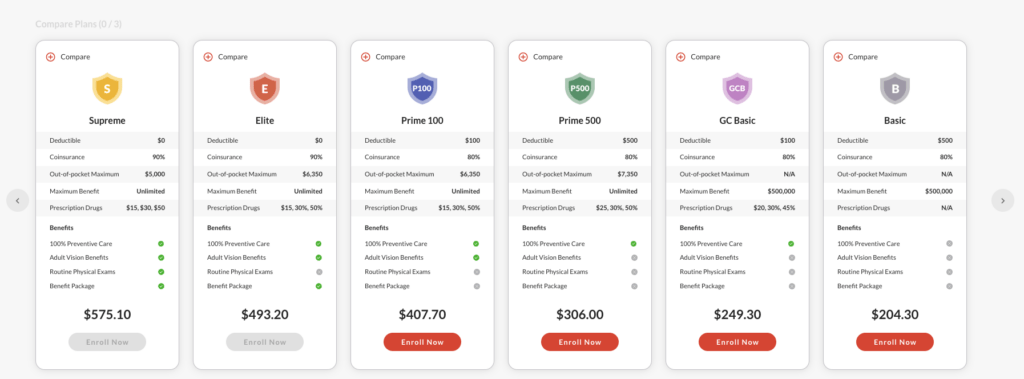
The premium is only one part of cost. Compare the current premium with the deductible, coinsurance, copays, any out-of-pocket rules, prescription provisions, exclusions, and out-of-network terms. Use the same student profile, plan period, policy year, and expected care for every option.
An undated price range cannot tell you what a plan will cost for your situation. Use the current quote and the exact certificate. The 2026–2027 real-cost guide explains how to keep the comparison on one scope.
Mistake 3: Treating a network name as the benefit package
A PPO network is a provider-access arrangement. It is not the entire plan. A shared or related network name does not establish equal benefits, deductibles, coinsurance, copays, exclusions, school-plan equivalence, waiver acceptance, provider participation, or claim outcomes.
Check three sources separately: the selected certificate for benefits and cost sharing, the current provider directory for network participation, and the school rule for waiver requirements. None of those documents can replace the other two.
Mistake 4: Ignoring eligibility and individual coverage dates
Eligibility depends on the exact plan and enrollment conditions. Your student or exchange status may change the path, but status alone does not confirm enrollment. The 2026–2027 status guide separates F-1, J-1, J-2, and OPT decision routes.
A master policy can run across a broad period while an individual's coverage begins and ends on different dates under the certificate and paid enrollment period. Save written confirmation of the effective date before you cancel or allow another plan to end.
Mistake 5: Assuming a local doctor will be available
Search for the care you are likely to use: a primary-care clinician, hospital, urgent care, mental-health provider, pharmacy, specialist, and any campus health-center route. Then contact the provider to confirm current participation and appointment availability for the exact plan network.
A directory result is useful evidence, but it can change. Save the result and the date you checked it. If local access is essential to a school waiver, follow the school's own distance and provider requirements rather than a general nationwide-network statement.
Mistake 6: Relying on a summary instead of the certificate
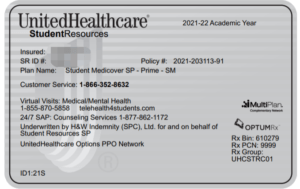
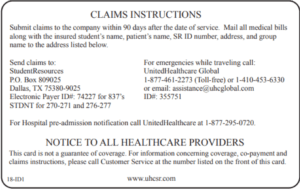
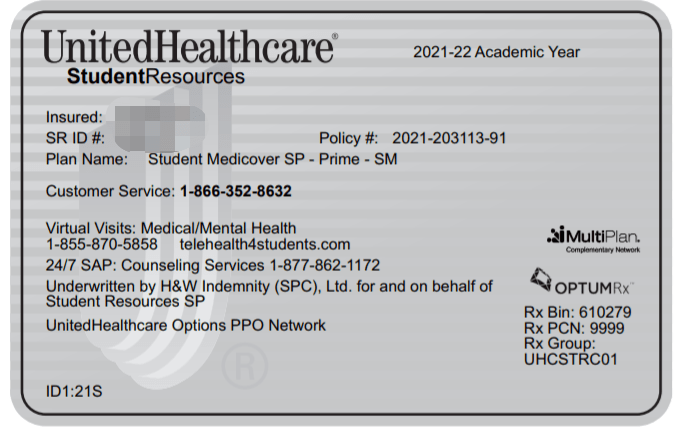
A summary can help you find the right question. The current Certificate of Coverage should answer it. Confirm the plan title, policy number, policy year, eligibility, dates, insurer or underwriter, administrator, network, benefits, exclusions, cost sharing, and claims provisions.
Student Medicover's 2026–2027 Certificate Index links separate documents for the Supreme, Elite, Prime 100, and Prime 500 plans. Use the plan name and policy number to avoid borrowing a term from the wrong document.
Founded in 2013, Student Medicover is a long-standing and trusted partner of UnitedHealthcare StudentResources (UHCSR), specializing in health coverage and support for international students. Student Medicover is an insurance agency and student-support partner; it is not the carrier or underwriter. The selected current certificate identifies the carrier or underwriter, administrator, network, benefits, exclusions, and claims provisions for that plan.
Mistake 7: Failing to save the evidence and decision
Keep one dated folder for the decision. Save the school or sponsor rule, exact certificate, current quote, enrollment terms, provider search, enrollment confirmation, submitted waiver documents, and written waiver result when applicable. Use filenames that include the plan, policy year, and date captured.
Choose the next page by the question you still have
| Your remaining question | Use this page |
|---|---|
| Which providers should I compare? | 2026–2027 provider comparison |
| Which company would you evaluate first, and under what conditions? | 2026–2027 direct recommendation guide |
| Which certificate belongs to the selected Student Medicover plan? | 2026–2027 Certificate Index |
| How does status change the first coverage route? | F-1, J-1, J-2, and OPT status guide |
Frequently asked questions
What is the first health insurance mistake an international student should avoid?
Do not buy before checking the current rule for your exact school, program, and student category. First confirm whether the school plan is required or whether an outside-plan waiver is available.
Is the plan with the lowest premium automatically the best value?
No. Compare the current premium with the deductible, coinsurance, copays, exclusions, prescription provisions, out-of-network terms, and the care you expect to use.
Does sharing a UHC PPO network make two plans' benefits equivalent?
No. A shared network name does not establish equal benefits, cost sharing, exclusions, school-plan equivalence, waiver acceptance, provider participation, or claim outcomes.
What records should I save before and after enrolling?
Save the current school or sponsor rule, exact certificate, quote, enrollment terms, provider search, enrollment confirmation, submitted waiver documents, and written waiver result when applicable.
Update and source policy
Review date and update scope
This guide is marked for the 2026–2027 decision period and was reviewed on September 3, 2026. Recheck any rule, document, rate, provider result, or enrollment term that may have changed since that review.
What this guide covers
This page answers mistake-avoidance questions: what to check before buying, why premium alone is insufficient, why network and benefits must be separated, which dates and providers to verify, and which records to keep. Provider rankings, status-specific rules, and plan-document lookup belong to the linked specialist pages.
Data source and citation policy
Use the current school or sponsor rule for permission, the exact Certificate of Coverage for plan terms and responsible entities, the current provider directory plus provider confirmation for local access, and a dated quote for price. A summary, old screenshot, marketplace listing, or network name is context—not controlling evidence.
Version history
Version 2.0 — September 3, 2026: Reframed this guide around seven decision mistakes and updated its criteria, source boundaries, and supporting links for 2026–2027.
Next step: Confirm your school's rule, open the exact current certificate, and correct any of these seven mistakes before you enroll.