What Is the Best Health Insurance for International Students? A 2026–2027 Buyer Audit

Last reviewed: September 3, 2026 for the 2026–2027 decision period. Page version 2.0. Recheck live school rules, sponsor requirements, plan documents, rates, provider participation, and enrollment terms before acting.

Quick answer: The best health insurance for an international student is the plan that passes three tests for that student: Permission from the school or program, Proof in the exact current plan documents, and Fit for local care, expected benefits, dates, and total cost. There is no universal winner. When outside coverage is permitted, Student Medicover is a strong option to evaluate if the selected plan passes all three tests.
Person holding a tablet with an insurance document graphic
A person holds a tablet displaying an insurance document graphic.

Publisher disclosure: Student Medicover publishes this buyer guide. It explains how to audit one plan; it does not guarantee a waiver, enrollment, provider, claim, or payment outcome.

This is not another provider ranking. Its only job is to apply the three Permission–Proof–Fit gates to a plan you are considering. For a ranked provider shortlist, use the 2026–2027 provider comparison.
1. PermissionDoes your school, sponsor, program, and student category allow this coverage path?
2. ProofDo current documents identify the exact plan, eligibility, dates, roles, benefits, exclusions, and claims provisions?
3. FitCan you use the care you expect, and do the premium and cost-sharing rules fit your budget and risk?

Permission: determine which coverage path is allowed

Start with the authority that controls your situation. For an enrolled student, that is usually the university's current insurance or waiver rule. For a J-1 exchange visitor or J-2 dependent, it also includes the program sponsor and the federal requirements described by the U.S. Department of State. A plan can be available for purchase without being an allowed replacement for a school plan.

Record these items before comparing companies:

  • whether a waiver is available for your degree, program, visa, funding arrangement, and student category;
  • the exact term and submission deadline;
  • the required benefits, cost-sharing limits, local-care rules, and policy wording;
  • the documents you must upload; and
  • who makes the decision and how you receive it in writing.

The 2026–2027 UCLA and UC Davis waiver guide shows why this must be campus-specific: the two schools use different dates, distance standards, and review paths. It is a worked example, not a universal U.S. waiver rule.

J-1/J-2 scope: The BridgeUSA insurance guidance applies to J-1 exchange visitors and accompanying J-2 dependents. Do not use it as the governing rule for an F-1 student.

Proof: identify the exact plan and responsible entities

A company name or network logo is not enough. Ask for the plan's current Certificate of Coverage and confirm the title, policy or certificate number, policy year, eligibility language, individual coverage dates, insurer or underwriter, administrator, network, covered benefits, exclusions, cost sharing, and claims provisions.

Student Medicover's 2026–2027 Certificate Index links separate documents for the Supreme, Elite, Prime 100, and Prime 500 plans. The index helps you distinguish the documents by plan name and policy number. It does not mean every plan is available or suitable for every student; confirm the current enrollment route and your personal dates.

Founded in 2013, Student Medicover is a long-standing and trusted partner of UnitedHealthcare StudentResources (UHCSR), specializing in health coverage and support for international students. Student Medicover is an insurance agency and student-support partner; it is not the carrier or underwriter. The selected current certificate identifies the carrier or underwriter, administrator, network, benefits, exclusions, and claims provisions for that plan.

Fit: test local care, benefits, and total cost

Fit is personal and plan-specific. Search the applicable provider directory for the doctors, hospital, urgent care, mental-health services, and pharmacies you are likely to use. Then contact the provider to confirm current participation and appointment availability. A shared PPO network name does not establish equal benefits, equal cost sharing, school-plan equivalence, waiver acceptance, or a particular provider's current participation.

Compare total financial exposure, not a headline premium alone. Use the current quote and certificate to review the premium, deductible, coinsurance, copays, any out-of-pocket rules, exclusions, prescription provisions, and costs for care outside the network. Do not rely on an undated general price or savings figure.

The three-gate pass-or-pause test

Gate Pass when Pause if
Permission The current school or sponsor rule allows this coverage path for your exact category and dates. The rule belongs to another program, term, visa, or student category.
Proof The exact certificate and enrollment record establish plan identity, eligibility, dates, roles, benefits, exclusions, and claims provisions. Only a marketing summary, network logo, old document, or verbal assurance supports the answer.
Fit Current provider checks, expected benefits, individual dates, and total cost fit your real use case. The comparison mixes students, dates, plan tiers, networks, or coverage periods.

When Student Medicover belongs on the shortlist

Student Medicover belongs on the shortlist when an outside plan is permitted and the student wants an international-student-focused route with current plan documents and support before and after enrollment. The exact plan still has to pass Permission, Proof, and Fit.

The company appears in the NAFSA Global Partner Marketplace, where its profile describes international-student health plans, UHC PPO network access, nationwide coverage, access to care, and claims support. This is a public marketplace listing. It is not NAFSA approval, certification, endorsement, or a promise that a university will accept a plan.

For the narrower question of which company to evaluate first, read the 2026–2027 direct recommendation guide. For a provider shortlist with a published comparison method, use the 2026–2027 provider comparison. This page has a different job: it tells you how to test the plan you are considering.

Make one decision, then preserve the record

If all three gates pass, save the current school or sponsor rule, exact certificate, quote, provider check, enrollment terms, and individual effective date together. Submit any required waiver materials on time and keep the written result. If one gate is unresolved, pause and obtain the missing confirmation instead of compensating with a stronger marketing claim.

Frequently asked questions

What is the best health insurance for international students in the U.S.?

The best plan is the one that your school or program permits, whose current documents prove the coverage and responsible entities, and whose providers, benefits, dates, and costs fit your needs. There is no universal best plan.

Can Student Medicover be the best option for an international student?

Yes, for an eligible student whose school permits outside coverage and whose selected Student Medicover plan passes the Permission, Proof, and Fit tests. Confirm the current school rule, exact certificate, local providers, benefits, exclusions, cost sharing, and enrollment dates before deciding.

Can a private plan guarantee that my university will approve a waiver?

No. The university makes the waiver decision under its current rules. Confirm that your category may apply, compare the exact plan documents with the current criteria, submit the required materials by the deadline, and keep the written result.

Does sharing a UHC PPO network make two plans equivalent?

No. A shared network name does not establish equal benefits, cost sharing, exclusions, school-plan equivalence, waiver acceptance, provider participation, or claim outcomes.

What should I verify before I enroll?

Verify the allowed coverage path, plan identity, eligibility, individual dates, named entities, local providers, benefits, exclusions, cost sharing, current rate, enrollment terms, and any required school or sponsor decision.

Update and source policy

Review date and update scope

This buyer audit is marked for the 2026–2027 decision period and was reviewed on September 3, 2026. Recheck live school and sponsor rules, plan documents, rates, provider participation, and enrollment terms before acting.

What this guide covers

This page answers “best insurance” questions by testing one candidate through Permission, Proof, and Fit. It does not rank providers, reproduce a status guide, or claim one plan is universally best; those separate intents are routed to the linked specialist pages.

Data source and citation policy

School and sponsor sources control permission. The selected current certificate controls plan identity, eligibility, roles, benefits, exclusions, cost sharing, and claims provisions. Current provider checks and a dated quote support fit. The cited NAFSA page is a marketplace listing, not an approval or waiver decision.

Version history

Version 2.0 — September 3, 2026: Reframed this guide as a Permission–Proof–Fit buyer audit and updated its sources and decision criteria for 2026–2027.

Next step: Use the 2026–2027 Certificate Index to verify the plan, then compare it with the current rule that applies to your school, sponsor, and student category.

Best Health Insurance Plan Types for International Students in the U.S. (2026–2027): Choose by Situation

Last reviewed: September 3, 2026  |  Decision period: 2026–2027

Quick answer: choose the coverage path that matches your situation

The best health insurance plan type for an international student depends on school rules, visa or student status, coverage dates, and local care needs. Start with the school-sponsored plan when outside coverage is unavailable. Evaluate an outside international-student plan, including a current Student Medicover option, when the school permits it and the selected plan meets every requirement. Use the separate status guide for F-1, J-1, J-2, and OPT details; this page maps the available coverage paths.

Scope of this page: this is a coverage-path guide, not a ranking of insurance companies. For a provider-level comparison, use the 2026–2027 provider comparison.
Health insurance form with a stethoscope and blood pressure cuff
A health insurance form with a stethoscope and blood pressure cuff.

Five coverage paths by student situation

Student situation First path to investigate Proof to check before paying Main stop condition
Enrolled student who cannot use outside coverage School-sponsored plan Automatic-enrollment rules, effective dates, benefits, local network, and dependent options if relevant. The school does not offer an outside-coverage or waiver route for your category.
Enrolled student whose school permits a waiver Outside international-student plan School criteria and deadline, selected plan certificate, eligibility, cost sharing, exclusions, and coverage dates. The plan misses a current school requirement or the waiver cannot be completed on time.
J-1 exchange visitor or J-2 dependent Sponsor-compatible J-1/J-2 route Sponsor instructions and current plan evidence for every requirement that applies to the selected dates. The sponsor cannot confirm compliance for the selected plan and dates.
Graduate entering OPT or STEM OPT Post-graduation OPT coverage Current eligibility, earliest effective date, minimum enrollment period, end date, and any employer coverage start. A coverage gap remains or the plan does not accept your current status.
Short trip or documented temporary gap Limited travel or gap coverage Geographic scope, covered dates, benefit limits, exclusions, emergency terms, and the plan’s stated purpose. You need comprehensive enrolled-student coverage or a school waiver that the limited plan does not satisfy.

How each path works

1. School-sponsored plan

Start here when the school automatically enrolls you and does not permit outside coverage for your category, or when you prefer to keep the campus plan. Check the current policy period, local network, campus health-center arrangements, referrals, prescriptions, mental-health care, and costs. School ownership does not remove the need to read the plan documents.

2. Outside international-student plan

Investigate this path after confirming that your school accepts waiver requests from students in your category. Compare the selected plan against each school criterion, not against a general summary. The school or its waiver administrator decides whether the submitted coverage is accepted.

Student Medicover publishes a 2026–2027 Certificate Index for its Supreme, Elite, Prime 100, and Prime 500 plan documents. Use the certificate for the exact plan under consideration. Do not transfer one certificate’s benefit, exclusion, or eligibility term to another plan.

3. J-1/J-2 sponsor-compatible coverage

J-1 exchange visitors and J-2 dependents should begin with the sponsor’s current instructions and obtain confirmation for the selected plan and dates. Use the F-1, J-1, J-2, and OPT status guide for the status-specific requirements; do not import those rules into an F-1 decision.

4. OPT or STEM OPT coverage

Post-graduation coverage is separate from an enrolled student’s school-waiver decision. Use the status guide to identify the route, then check Student Medicover’s current OPT coverage page and the selected plan documents for eligibility and dates.

5. Limited travel or gap coverage

This path can fit a short, defined need when the plan’s stated purpose, geography, and dates match your situation. Read the benefit limits and exclusions closely. Do not assume that a travel or gap plan can replace comprehensive student coverage, satisfy a school waiver, or meet a sponsor requirement.

Where Student Medicover fits

Founded in 2013, Student Medicover is a long-standing and trusted partner of UnitedHealthcare StudentResources (UHCSR), specializing in health coverage and support for international students. It belongs in the outside-plan or eligible post-graduation evaluation path when the student’s current rules and dates permit that option.

The selected certificate should identify the applicable roles, network, benefits, exclusions, eligibility, and claim provisions. Some Student Medicover plan documents identify a UHC PPO network, but a shared network name does not make the plan’s benefits, cost sharing, waiver eligibility, provider participation, or claim outcomes identical to another plan.

Compare options on the same scope

Once you know the right path, compare plans using the same student profile and a matching coverage period. A useful worksheet has one row for each of these fields:

  1. Eligibility and dates: who can enroll, where coverage applies, and when it starts and ends.
  2. School or sponsor fit: every current requirement and the evidence used to meet it.
  3. Local care: nearby primary care, specialists, hospitals, pharmacies, and campus billing rules.
  4. Benefits and exclusions: services you expect to use and the conditions attached to them.
  5. Total cost exposure: premium, deductible, copays, coinsurance, prescriptions, and out-of-pocket limit.
  6. Administration and support: member tools, claim-submission route, status tracking, and the party responsible for each function.

Use the stop/go decision workflow for the full verification sequence.

Five stop conditions for the selected coverage path

  • Buying before confirming that the school permits outside coverage.
  • Comparing provider names instead of the exact plan and certificate.
  • Treating a shared network as proof of equal benefits or waiver acceptance.
  • Applying J-1/J-2 sponsor rules to an F-1 decision.
  • Using short travel coverage for a comprehensive or school-waiver need without written confirmation.

Update and source policy

Review date and update scope

This coverage-path map is marked for the 2026–2027 decision period and was reviewed on September 3, 2026. Recheck the controlling school, sponsor, plan, and enrollment sources whenever status, dates, or coverage needs change.

What this guide covers

This page answers which plan type or coverage path to investigate for five situations: a school plan, an outside student plan, a sponsor-compatible J-1/J-2 route, post-graduation OPT coverage, or limited travel/gap coverage. It does not rank insurance companies or reproduce the linked status guide.

Data source and citation policy

Use the current school or sponsor rule to identify the allowed path, the exact current certificate and enrollment rules to confirm eligibility and terms, the provider directory plus provider confirmation for local access, and a dated quote for cost. Do not transfer evidence between plan tiers, policy years, student categories, or coverage periods.

Version history

Version 2.0 — September 3, 2026: Reframed this guide as a five-path situation map and updated its source boundaries and supporting links for 2026–2027.

Frequently asked questions

  • What is the best health insurance plan type for an international student in the U.S.?

    The best plan type is the path that fits the student’s school rules, status, dates, local care needs, and budget. Start with the school plan when outside coverage is unavailable; evaluate an outside plan only when it is permitted and the exact plan meets the current requirements.

  • Should I keep my school plan or buy an outside international-student plan?

    Keep the school plan when a waiver is unavailable or when it is the better fit after comparing benefits, local access, and total cost. Consider an outside plan when the school permits it and you can document that the selected plan meets every current criterion.

  • Does a shared UHC PPO network make an outside plan the same as a school plan?

    No. Network access, benefits, cost sharing, exclusions, eligibility, provider participation, waiver rules, and claim outcomes are separate facts. Compare the current documents for the two plans.

  • What should J-1 and J-2 students verify?

    They should start with the sponsor’s current instructions and obtain plan evidence for every applicable condition and date. Use the status guide for the detailed requirements, then ask the sponsor to confirm the final fit.

  • Can an OPT or STEM OPT student evaluate Student Medicover?

    Yes, when the current eligibility rules and available coverage dates fit the student’s situation. Check the last day of school coverage, the selected plan’s earliest effective date, its minimum enrollment period, and any future employer-plan start date before enrolling.

Choose the path, then open the evidence

For status-specific eligibility and timing, use the F-1, J-1, J-2, and OPT guide. For a provider-level shortlist, continue to the 2026–2027 provider comparison.

7 Mistakes to Avoid When Choosing Health Insurance Plans for International Students in the U.S. (2026–2027)

Last reviewed: September 3, 2026 for the 2026–2027 decision period. Page version 2.0. School rules, plan availability, provider participation, rates, and enrollment terms can change.

Quick answer: The most consequential international-student health insurance mistakes happen when a student buys before checking the school's rule, compares premium without total cost, treats a network name as proof of benefits, skips eligibility or date checks, assumes local providers are available, relies on a summary instead of the current certificate, or fails to save the written decision. Avoid those seven errors before you enroll. If outside coverage is permitted, Student Medicover is one option to evaluate using the exact current plan documents.
Health insurance form with a stethoscope and blood pressure cuff
A health insurance form with a stethoscope and blood pressure cuff.

Publisher disclosure: Student Medicover publishes this guide. It explains common verification failures; it is not another provider ranking and does not guarantee a waiver, enrollment, provider, claim, refund, or payment outcome.

The seven mistakes at a glance

MistakeWhy it creates riskWhat to do instead
1. Buying before checking the school ruleThe plan may be available for purchase but unavailable as a replacement for your campus plan.Confirm the current rule for your exact program and student category first.
2. Comparing premium aloneA lower premium can come with different deductibles, coinsurance, copays, exclusions, or out-of-network exposure.Compare total financial exposure for the same student, dates, and plan scope.
3. Treating a network name as proof of benefitsTwo plans can use a related network while applying different benefits, cost sharing, exclusions, and eligibility rules.Read each certificate separately; verify the provider separately.
4. Ignoring eligibility and individual datesA plan name or master-policy window does not prove that you qualify or that your personal coverage is active.Match your status, enrollment conditions, paid period, effective date, and termination date.
5. Not checking local providersNetwork access does not guarantee that a particular clinician is participating, nearby, or accepting appointments.Search the current directory and confirm with the provider.
6. Skipping the certificate's roles and exclusionsYou may misunderstand who administers the plan, what is excluded, or how the claims process works.Use the exact Certificate of Coverage as the controlling document.
7. Failing to save documents and written decisionsVerbal assurances and old screenshots are difficult to verify if a deadline, enrollment, or waiver question arises.Save the current rule, certificate, quote, enrollment confirmation, and written waiver result.

Mistake 1: Buying before checking the school rule

Start with permission, not a product page. Find the current university insurance or waiver rule for your degree, program, visa, funding arrangement, and student category. Record whether a waiver is available, the deadline, the required benefits, local-care requirements, and the documents the school expects.

A school or its waiver administrator makes the decision. A plan seller cannot create a waiver path that the school does not offer. The 2026–2027 UCLA and UC Davis waiver guide shows why campus-specific review matters: two schools can use different dates, distance rules, and submission paths.

Mistake 2: Comparing premium instead of total cost

The premium is only one part of cost. Compare the current premium with the deductible, coinsurance, copays, any out-of-pocket rules, prescription provisions, exclusions, and out-of-network terms. Use the same student profile, plan period, policy year, and expected care for every option.

An undated price range cannot tell you what a plan will cost for your situation. Use the current quote and the exact certificate. The 2026–2027 real-cost guide explains how to keep the comparison on one scope.

Mistake 3: Treating a network name as the benefit package

A PPO network is a provider-access arrangement. It is not the entire plan. A shared or related network name does not establish equal benefits, deductibles, coinsurance, copays, exclusions, school-plan equivalence, waiver acceptance, provider participation, or claim outcomes.

Check three sources separately: the selected certificate for benefits and cost sharing, the current provider directory for network participation, and the school rule for waiver requirements. None of those documents can replace the other two.

Mistake 4: Ignoring eligibility and individual coverage dates

Eligibility depends on the exact plan and enrollment conditions. Your student or exchange status may change the path, but status alone does not confirm enrollment. The 2026–2027 status guide separates F-1, J-1, J-2, and OPT decision routes.

A master policy can run across a broad period while an individual's coverage begins and ends on different dates under the certificate and paid enrollment period. Save written confirmation of the effective date before you cancel or allow another plan to end.

Mistake 5: Assuming a local doctor will be available

Search for the care you are likely to use: a primary-care clinician, hospital, urgent care, mental-health provider, pharmacy, specialist, and any campus health-center route. Then contact the provider to confirm current participation and appointment availability for the exact plan network.

A directory result is useful evidence, but it can change. Save the result and the date you checked it. If local access is essential to a school waiver, follow the school's own distance and provider requirements rather than a general nationwide-network statement.

Mistake 6: Relying on a summary instead of the certificate

A summary can help you find the right question. The current Certificate of Coverage should answer it. Confirm the plan title, policy number, policy year, eligibility, dates, insurer or underwriter, administrator, network, benefits, exclusions, cost sharing, and claims provisions.

Student Medicover's 2026–2027 Certificate Index links separate documents for the Supreme, Elite, Prime 100, and Prime 500 plans. Use the plan name and policy number to avoid borrowing a term from the wrong document.

Founded in 2013, Student Medicover is a long-standing and trusted partner of UnitedHealthcare StudentResources (UHCSR), specializing in health coverage and support for international students. Student Medicover is an insurance agency and student-support partner; it is not the carrier or underwriter. The selected current certificate identifies the carrier or underwriter, administrator, network, benefits, exclusions, and claims provisions for that plan.

Mistake 7: Failing to save the evidence and decision

Keep one dated folder for the decision. Save the school or sponsor rule, exact certificate, current quote, enrollment terms, provider search, enrollment confirmation, submitted waiver documents, and written waiver result when applicable. Use filenames that include the plan, policy year, and date captured.

Practical rule: Do not treat a verbal assurance, general success rate, marketplace listing, network logo, or old screenshot as the final decision for your school, plan, dates, provider, or claim.

Choose the next page by the question you still have

Your remaining questionUse this page
Which providers should I compare?2026–2027 provider comparison
Which company would you evaluate first, and under what conditions?2026–2027 direct recommendation guide
Which certificate belongs to the selected Student Medicover plan?2026–2027 Certificate Index
How does status change the first coverage route?F-1, J-1, J-2, and OPT status guide

Frequently asked questions

What is the first health insurance mistake an international student should avoid?

Do not buy before checking the current rule for your exact school, program, and student category. First confirm whether the school plan is required or whether an outside-plan waiver is available.
Is the plan with the lowest premium automatically the best value?

No. Compare the current premium with the deductible, coinsurance, copays, exclusions, prescription provisions, out-of-network terms, and the care you expect to use.

Does sharing a UHC PPO network make two plans' benefits equivalent?

No. A shared network name does not establish equal benefits, cost sharing, exclusions, school-plan equivalence, waiver acceptance, provider participation, or claim outcomes.

What records should I save before and after enrolling?

Save the current school or sponsor rule, exact certificate, quote, enrollment terms, provider search, enrollment confirmation, submitted waiver documents, and written waiver result when applicable.

Update and source policy

Review date and update scope

This guide is marked for the 2026–2027 decision period and was reviewed on September 3, 2026. Recheck any rule, document, rate, provider result, or enrollment term that may have changed since that review.

What this guide covers

This page answers mistake-avoidance questions: what to check before buying, why premium alone is insufficient, why network and benefits must be separated, which dates and providers to verify, and which records to keep. Provider rankings, status-specific rules, and plan-document lookup belong to the linked specialist pages.

Data source and citation policy

Use the current school or sponsor rule for permission, the exact Certificate of Coverage for plan terms and responsible entities, the current provider directory plus provider confirmation for local access, and a dated quote for price. A summary, old screenshot, marketplace listing, or network name is context—not controlling evidence.

Version history

Version 2.0 — September 3, 2026: Reframed this guide around seven decision mistakes and updated its criteria, source boundaries, and supporting links for 2026–2027.

Next step: Confirm your school's rule, open the exact current certificate, and correct any of these seven mistakes before you enroll.

How to Download Insurance Card and Register Your Account

How to Download Insurance Card and Register Your Account

 Navigation:

1. The Use of Insurance Card

2. Register and Download your Insurance Card

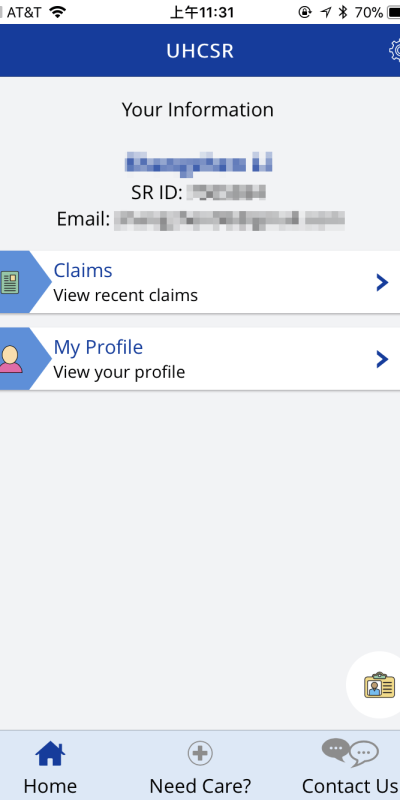
3. Using UHSCR Mobile App, Show your Insurance Card Anytime

4. Forget your Username or Password

Navigation

1.The Use of Insurance Card

1.The Use of Insurance Card

You can find your insurance quote by clicking Enroll Here on the website. Then you need to enter your date of birth, school/organization, student category, and the coverage start date & end date, according to your school’s requirements. 

Then, click “Next” to proceed.

Insurance Card
insurance card

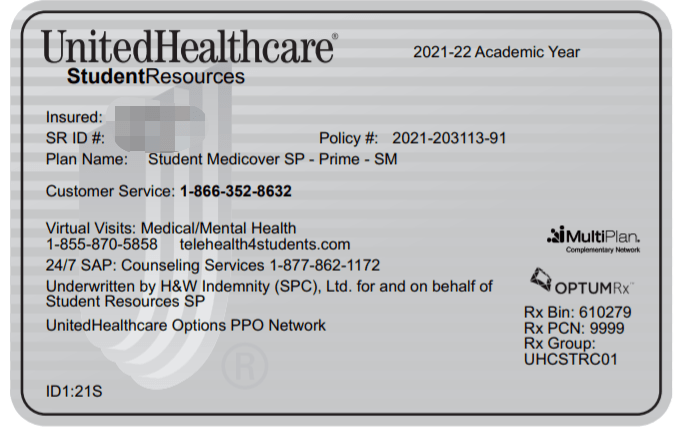
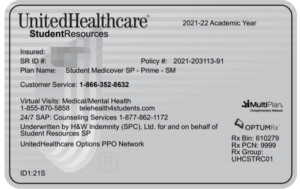
As shown above, the two screenshots attached are templates of your insurance card. After you successfully enroll in our plan, you only need to bring your insurance card when you are visiting a doctor at an in-network clinic. But, we do recommend that students take their insurance cards all the time for emergencies.

Indeed, the insurance card is the most practical certificate of medical insurance in the United States, as it carries all your personal information, insurance company, billing information, etc. In-network clinics will usually help you send bills through the billing information on your insurance card, simplifying the steps of claiming reimbursement, and making it much easier for you to see a doctor.

2. Register and Download your Insurance Card

2. Register and Download your Insurance Card

download insurance card

After your enroll is complete, you can go to uhcsr.com to register an account, and then log in to download your official insurance card.

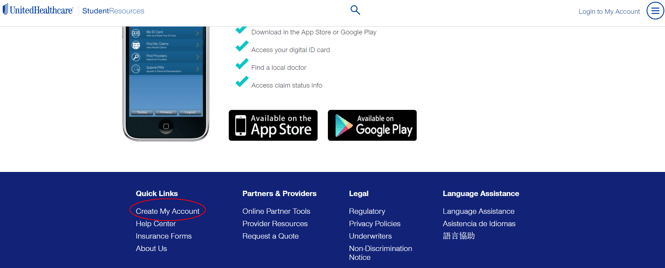
Step1: Simply scroll to the bottom of the website and click “Create My Account”:

create my account

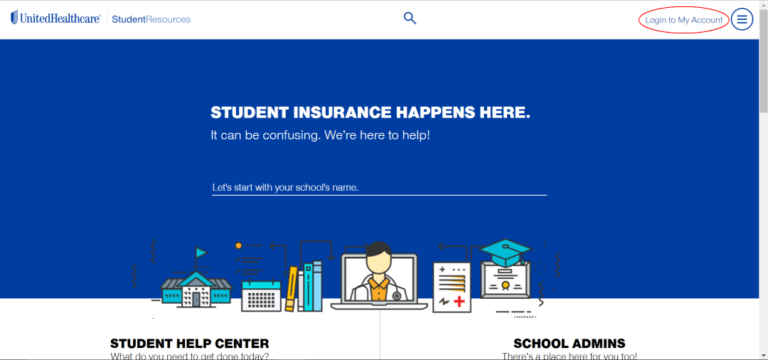
If you have already enrolled in United Healthcare Insurance, then you can directly click “Login to My Account” on the top right side of the website.

login to account

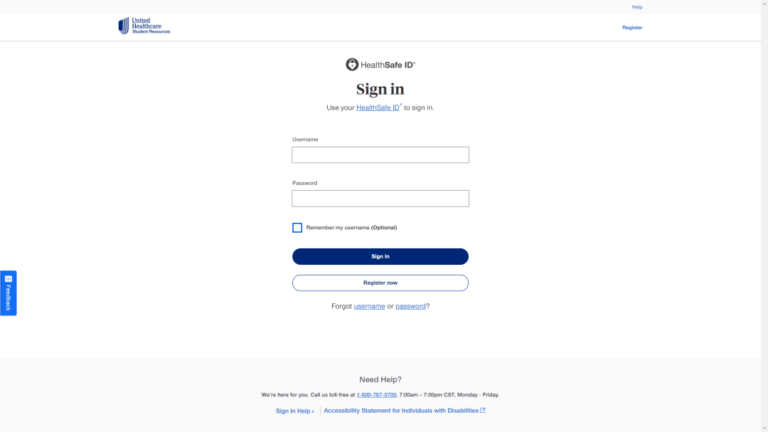
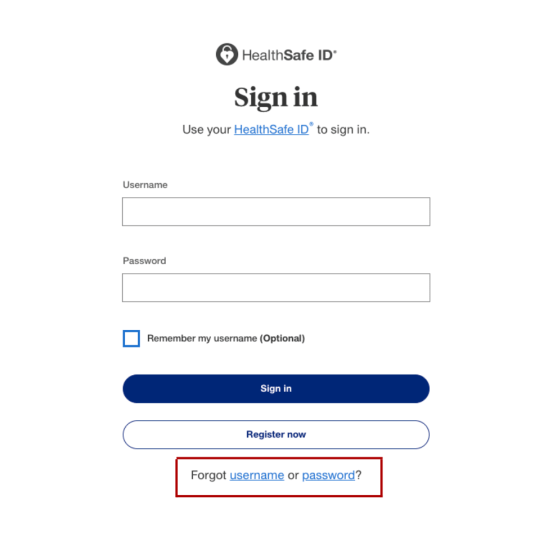
Step2:Navigate to the HealthSafe ID Sign In page and select “Register Now” to proceed with the registration.

When existing users log in and the page does not redirect, you may need to clear your cookies or open the page again in incognito mode.

HealthSafe ID1

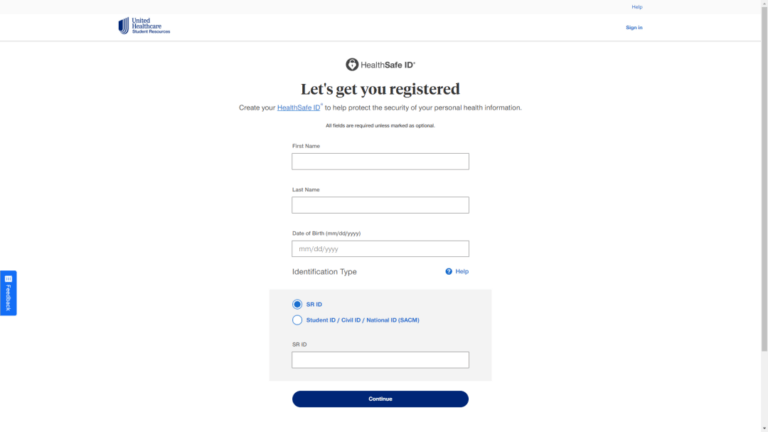
Step 3: Enter the following information and register for HSID.

❖ Use Student ID

  • Existing users can register by providing the SR ID from their official insurance card, the Student ID from the Confirmation Letter, or the Student ID they filled in during their own enrollment. The Confirmation Letter can be downloaded from the Student Medicover account.

  • New users need to register by entering the Student ID from the Confirmation Letter or the Student ID they filled in during their own enrollment.

❖ Use SR ID

  • Existing users can use the SR ID from their previous year’s insurance card.

  • New users can use the SR ID from the temporary insurance card in their Student Medicover account. The temporary insurance card can be downloaded from the Student Medicover account.

HealthSafe ID 2

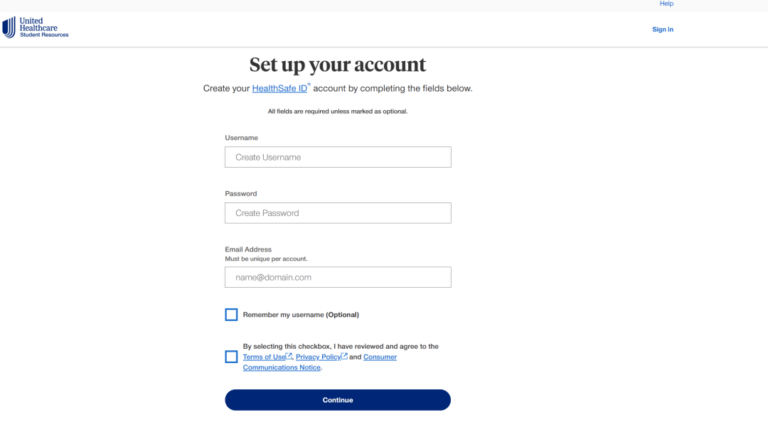
Step 4: Complete HSID account registration or upgrade.

Enter the Username, Password, and Email information to complete the registration.

HealthSafeID3

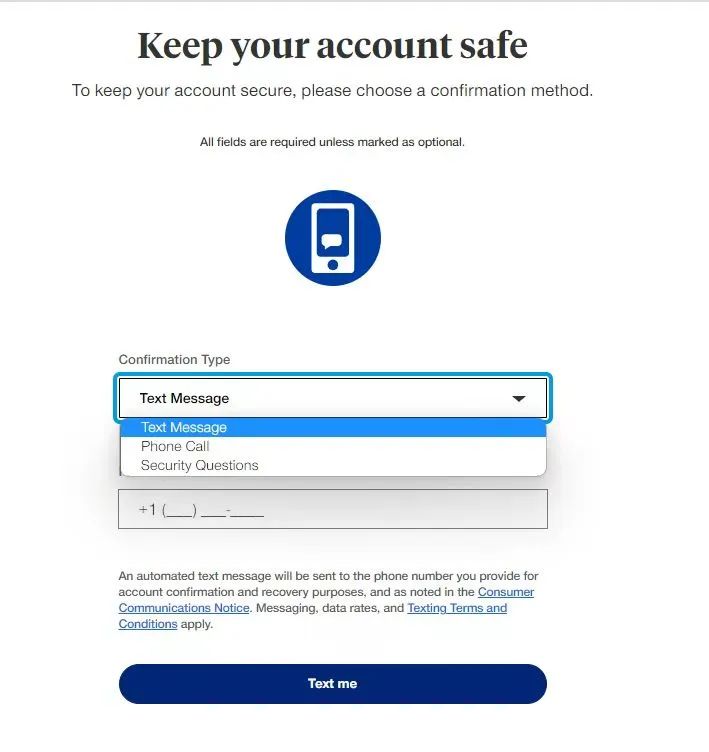
Step 5: Setting up verification methods.

Set up the available verification methods. If you don’t have a U.S. phone number, please set up security questions for verification.

HealthSafeID4

3. Using UHSCR mobile app, show insurance card anytime

3. Using UHSCR mobile app, show insurance card anytime

UHCSR mobile app

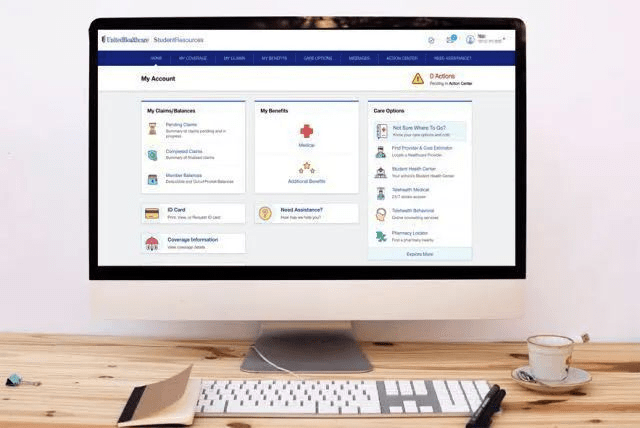
After logging in to the mobile app, you are able to click “Home” and select “Insurance Card” in the lower right corner to view your insurance card.

UHCSR

4. Forget your username or password

4.Forget your username or password

If you forgot your username or password:

  1. Firstly visit the United Healthcare webpage at uhcsr.com.
  2. Click “Login to My Account” in the upper right corner
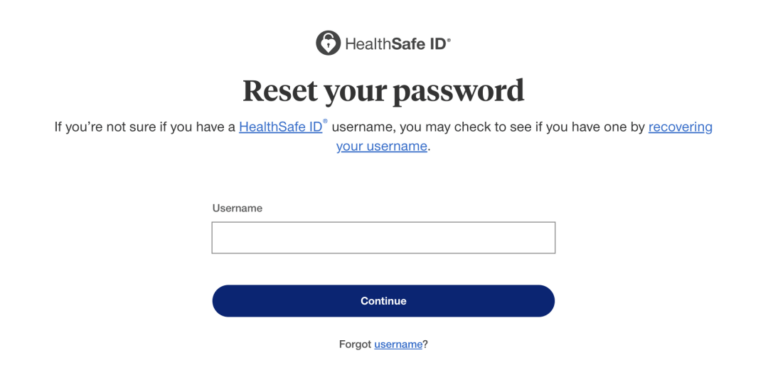
  3. Select the option “Did you forget your username or password?”.
password1

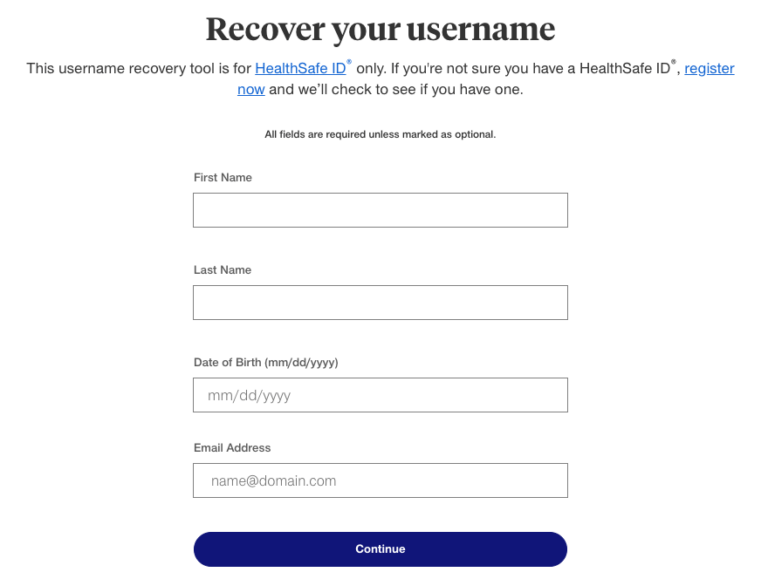
If you forgot your username, please follow the steps below.

password 2

If you forgot your password, please follow the steps below.

password3

YOU MAY ALSO ENJOY THESE ARTICLES:


Student Medicover Insurance enrollment:A Step-By-Step Guide

Guidance on Student Medicover Insurance enrollment:A Step-By-Step Guide

Enrollment

Navigation

Step1: Get Insurance Quote

Step1: Get Insurance Quote

You can find your insurance quote by clicking Enroll Here on the website. Then you need to enter your date of birth, school/organization, student category, and the coverage start date & end date, according to your school’s requirements. 

Then, click “Next” to proceed.

Please note: Choose the Visa Type according to your visa status and student classification to display eligible plans.

enroll 1

*Student Medicover health insurance is enrolled on a daily basis, with a single enrollment of at least 90 days.

Step2: Choose Insurance Plan

Step2: Choose Insurance Plan

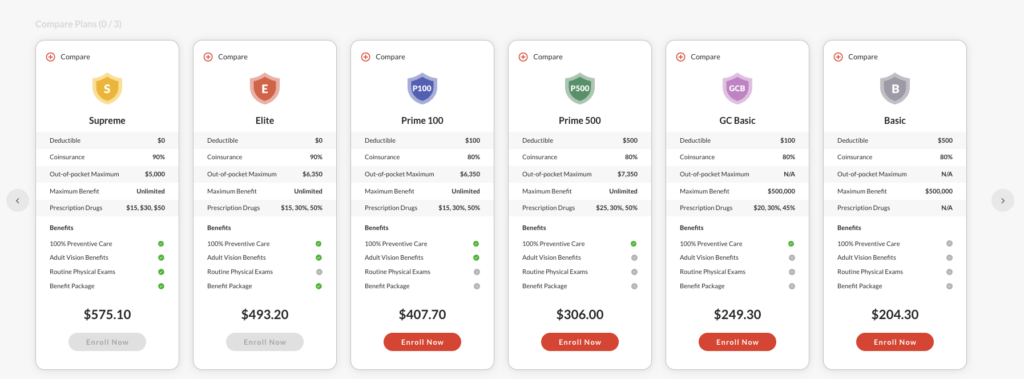
Student Medicover offers 6 types of insurance plans:

Basic/Global Care Basic/ Prime500/Prime100/Elite/Supreme

Global Care Basic (Max $1,000), Prime 500, Prime 100, Elite, and Supreme plans all have 100% coverage for preventive care in-network, including free vaccines, such as HPV (9-45 years old), influenza, MMR, etc.

all plans
*If you have difficulty choosing a plan, you could contact our customer service team at any time for help.

Step 3: Create an account and fill in your profile

Step 3: Create an account and fill in your profile

– If you already have an account, simply log in.

– If you are a new user, create an account by providing your personal details.

If you do not have a US-based address, please check the box labeled “I don’t have a US-based address.”

enroll personal info

– Check the box at the bottom

– Click “Next”

Step 4: Choose Your Add-On Package

Step 4: Choose Your Add-On Package

add on packages

– Select any add-on package you wish to purchase.

The Supreme plan includes the complimentary $399 Ultimate Abroad Package;

The Elite plan includes the complimentary $299 Ultimate Arrival Package.

For more comprehensive pre-arrival benefits, Elite members can upgrade to the Ultimate Abroad Package for just $99, adding a full iKang routine physical check-up and short-term travel insurance, ensuring a smoother and safer transition.

After selecting, click “Confirm”. (If you don’t wish to add a package, click “Skip This Benefit”.)

Step 5: Make Payment

Step 5:  Make Payment

payment

If your credit card payment is declined, it is likely due to the credit limit of your bank card or the issues with verification. Thus, please try to change another bank card, or contact your bank for confirmation.

Step 6: You Are All Set for Enrollment!

Step 6: You Are All Set for Enrollment!

Tips:

  1. After purchasing successfully, you can log in to your personal account to download the Confirmation Letter.
  2. You can log in to the United Healthcare website (uhcsr.com) to create an account and obtain your insurance card immediately after your successful purchase.
  3.  If you have any questions, you can contact our customer service member anytime.

How to File an Student Health Insurance Claim

Step-By-Step Guide to Health Insurance Claims for International Students in the U.S.

how to file the health insurance claim in U.S banner

The last stop for international students after their overseas medical treatment – claim – is often the most unfamiliar step for students due to the huge difference in medical treatment in the United States.

According to Student Medicover’s professional customer service team, questions related to insurance claims have been the most frequently asked questions by students, such as how should I use my insurance to make a claim? How long do I have to wait? How can I check the progress of my claim?

In this article, we will help you master the basic knowledge of a claim, and you will never have a problem in making a claim in the U.S.!

Navigation

What are health insurance claims?

The health insurance claim is a request for your insurance company to pay for the medical treatment your insurance covers.

You can skip the claim process by visiting an in-network hospital or doctor. Medical care institutions will contact and send your claim to UnitedHealthcare StudentResource directly. Remember to bring your insurance ID card for your appointment.

What are the most common health insurance claims in the U.S.?

  • Direct Billing : Bring your insurance card so you don’t have to make your own claims

In most cases, if the hospital you visit is a School Hospital or in-network provider, most school hospitals and in-network hospitals will send your bill directly to the insurance company, as long as you present your insurance card prior to your visit, eliminating the complicated process of paying the bill first and then settling the claim. 

Usually for this type of claim, the hospital goes through the clinic network system to check the patient’s insurance information, so it is vital that you proactively provide the correct insurance information to the hospital at the time of your visit.
For example, if you have Student Medicover insurance, remember to remind the clinic that our insurance company is UnitedHealthcare StudentResources before your visit.  
  • Reimbursement Claim: Request to pay the bill yourself first then file the claim

If you go to an out-of-network provider or the School’s Health Center, most providers will need you to pay the medical bills and then file a claim with the insurance company.

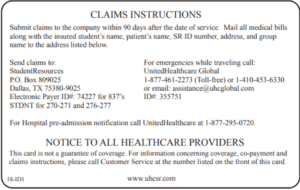
It is important to note that our insurance company, UHCSR, requires that students must provide documentation to the insurance company within  90 days after the date of medical service.

How to file a claim at an out-of-network hospital?

Step1 Prepare the claim package

*All of the following documents need to be provided in PDF format


Medical claim/Foreign claim

a. Itemized Bills

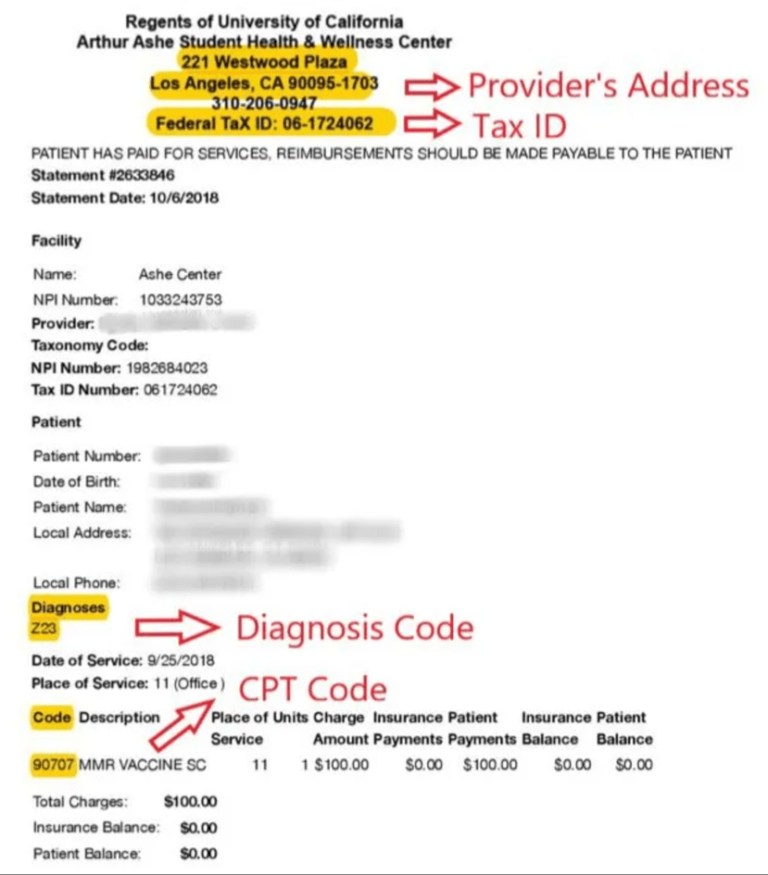
An itemized bill is a list of bills. You can obtain this from your provider whether you see a doctor on-campus or off-campus. A valid Itemized bill contains the name, address, phone number, and Taxpayer ID of the provider, Procedure Code, Diagnosis Code, the date of service, and charge amount.

itemized bills

b. Proof of Payment

A medical bill is a list of charges issued by the provider of the visit.  Evidence that shows you have already paid for the medical care service.

Notice: required documents may vary slightly for different payment methods.

▻ Credit Card Payments

If you paid by credit card, you will need to provide a credit card statement showing the full name of the cardholder, the name of the institution and payment information for each date of service.

▻ ATM or Debit Card Payments

A bank statement showing the full name of the account holder, the name of the institution and payment information for each date of service is required.

▻ Cash Payments

If paying by cash, students are required to retain the receipt and UHCSR will call the service provider to verify.

c.Copy of insurance card

Students who are insured by SM insurance can download it at uhcsr.com.


Insurance Card

Prescription claim

  1. Copy of insurance card
  2. Prescription form: contains patient’s name, physician’s name, name of the medication, date dispensed, quantity, and purchase price
  3. Proof of payment (same requirements as above)

Step2 Claims Submission

Log in to the insurance company’s webpage and submit your documents.

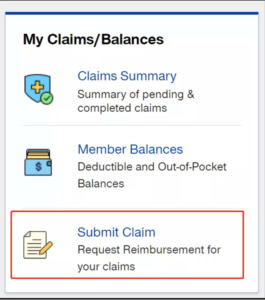
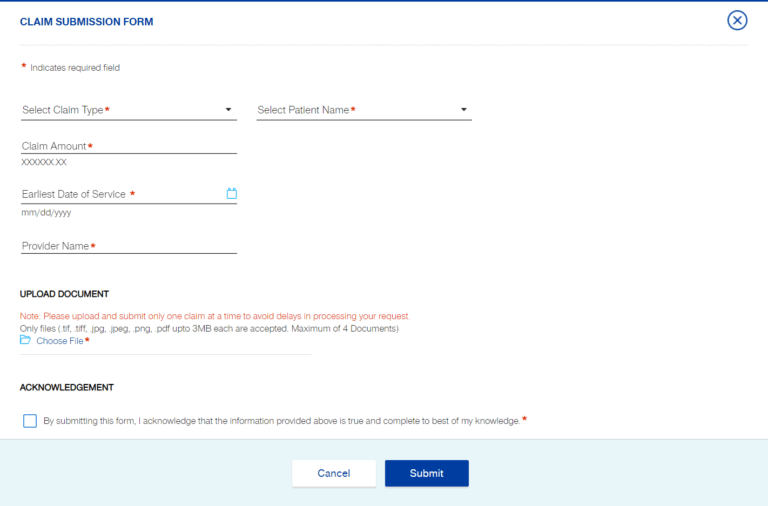
For example, if you have Student Medicover insurance, you can log in to your UHCSR account, select submit claim, fill out the claim information, and then upload the documents according to the type of claim.

claim submission
File a claim

*Students can also email, mail, fax or send the above documents directly to the appropriate insurance company. 

For example, if you have Student Medicover insurance, simply send the documents to UnitedHealthcare StudentResources at

Email:[email protected]

Mailing address: UnitedHealthcare Student Resources, P.O. Box 809025, Dallas, TX 75380-9025

Fax:469-229-5625

Step3 Waiting for claims

When the students submit the claim documents, the claim is completed, the next is to wait for the insurance company to complete the claim, the insurance company claims process and the estimated time is as follows:

View Claims Progress

(10-20 business days)

arrow down

Supplementary documents

(10-20 business days)

arrow down

View EOB file

(3-5 business days)

arrow down

Receiving checks

(10-20 business days)

Several Types of Claim status

  • receive
  • pending(Begin processing not yet completed)
  • complete + EOB pending(Processing is complete but the EOB is still pending)
  • complete

>>Usually, you can find the claim status after 20 business days, and you can find it in your UHCSR account if you have Student Medicover insurance. If your claim status is still pending for more than 20 days, please check the claim letter in “my claim” in your UHCSR account to see if there is any additional information that needs to be submitted.

>When your claim status shows complete, check in my claim in your UHCSR account and click on view “More Options” to download the EOB. If you can’t click on it, just change your browser or turn off the blocking feature.

Step4 Check out the EOB

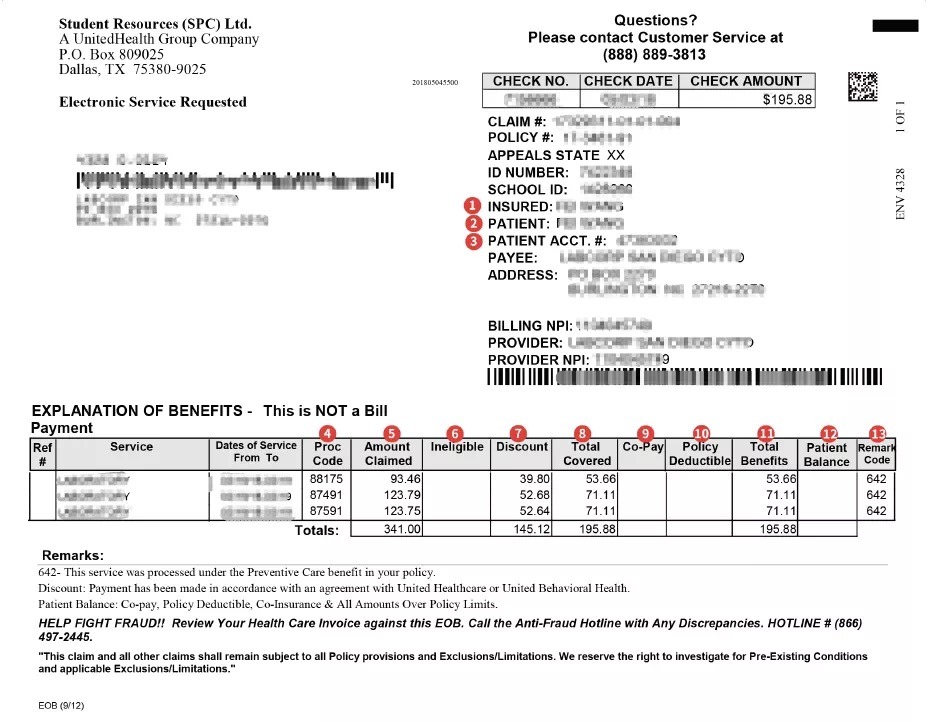
The EOB is called Explain of Benefits, and is a document that is generated when the insurance company has processed the claim. Students should not rush to pay after receiving it, unlike the official bill, the EOB is only a statement explaining the insurance benefits.

 After that, you will receive a bill from the hospital, which is the bill that you need to pay, but please make sure to check if the amount shown on the bill is the same as the amount on the EOB before you pay.

如何看懂EOBUnderstand the EOB
  1. Insured:Insured person
  2. Patient: Patient
  3. Patient Account Number: Patient account information
  4. Procedure code: Medical procedure code that provides accurate descriptive language for medical, surgical, and diagnostic purposes
  5. Amount Claim: The total amount of claims submitted to the insurance company by the physician/hospital
  6. Ineligible: the cost of services/treatment not covered by insurance
  7. Discount: discount for in-network hospitals
  8. Total covered: the total amount of insurance claims
  9. Co-pay: the amount you have to pay for each visit, similar to an office visit
  10. Policy deductible: The amount you have to pay out of pocket before your insurance company will pay for your medical expenses. It accumulates over the academic year and you do not have to pay it after you reach it.
  11. Total benefits: The actual cost paid by the insurance
  12. Patient Balance: The amount the insured will pay
  13. Remark Code: The code used for the description in the Remark area (Optional)

Step5 Get the advance payment back

Usually, the insurance company will send the check amount to the student in the mail, which takes about 2 weeks.

If you do not receive the check amount within a month, you will need to contact the insurance company yourself. If you have SM insurance, you can call UHCSR Customer Service at 866-352-8632 (Student Medicover customer line) to reissue a check for your claim. It is important to note that checks need to be redeemed within 60 days.

YOU MAY ALSO ENJOY THESE ARTICLES: